Christmas Mouse Illustrations for Modern Content Publishing
As a digital publisher who has spent years refining blog layouts and optimizing editorial workflows, I am constantly searching for the right visual assets to elevate content. Recently, I encountered Christmas Mouse, a graphic design asset that immediately caught my attention. Before integrating it into our main publishing platform, I put it through a rigorous testing phase to see if it could handle the demands of real-world website presentation, newsletter headers, and affiliate marketing visuals. The verdict is clear: this illustration offers a unique blend of seasonal charm and professional polish that can significantly enhance reader trust and engagement.
The First Impression: Mood and Editorial Fit
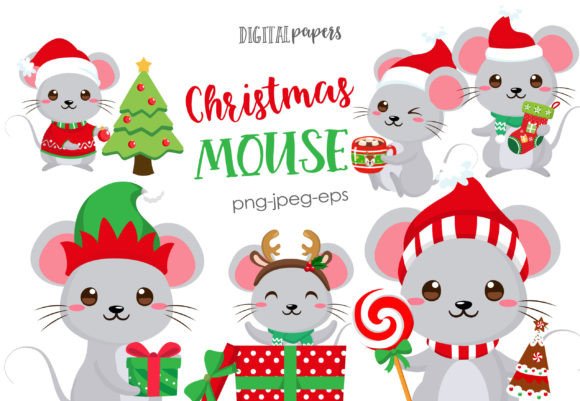
When you first open the Christmas Mouse illustrations, the immediate feeling is one of warm, festive nostalgia without crossing into childish territory. It strikes a delicate balance between playful and sophisticated. For a content creator or small business owner looking to add a touch of holiday spirit to their brand identity, this asset provides exactly the right tone. It feels lifestyle-focused yet retains enough clean lines to work within a modern design system.
In terms of editorial mood, this graphic supports niches ranging from home decor and parenting blogs to lifestyle magazines and creative entrepreneurs. It creates an atmosphere of cozy celebration, which naturally encourages readers to pause and engage with the content. Unlike generic clip art, these illustrations feel curated, suggesting a level of care in the content creation process that translates directly to perceived value by the audience. Whether you are designing a digital guide or a social media post, the visual hierarchy established by the mouse character guides the eye effectively, making it an excellent choice for improving click-through potential.
Real-World Applications in Your Publishing Workflow
I have tested Christmas Mouse across various high-stakes publishing scenarios, and its versatility is impressive. One of the most impactful uses was for our featured images. By placing the illustration alongside bold typography, we created a striking visual anchor that stood out in crowded social feeds. This is crucial for Pinterest pins, where the goal is to stop the scroll. The clean background and distinct character allowed the text overlay to pop, resulting in a clearer message and higher engagement rates.
Beyond standard blog posts, this asset proved invaluable for downloadable resources. We used it as the cover image for a holiday-themed digital guide and worksheet series. The illustration added a layer of professionalism that made the lead magnet feel like a premium product rather than a freebie. Similarly, when creating email newsletters, using the graphic as a header separator broke up long blocks of text and re-engaged subscribers visually. It also served perfectly as a category thumbnail, helping readers quickly identify seasonal content within our site architecture.
For those utilizing Canva templates or building custom websites, the flexibility of this design asset shines. It integrates seamlessly into website headers and banner ads, providing a consistent visual identity across different platforms. Whether you are an affiliate marketer promoting holiday gifts or an online educator sharing winter tips, the Christmas Mouse illustrations act as a reliable visual cue that signals quality and relevance.
Boosting Performance and Brand Identity
The primary goal of any graphic design asset is to support content performance, and Christmas Mouse delivers on several fronts. A stronger first impression is often the difference between a bounce and a deep dive. By incorporating this illustration into your content marketing strategy, you establish a cohesive look that reinforces your brand identity. Readers begin to associate the visual style with your specific niche, leading to better category recognition over time.
Furthermore, the polished nature of the artwork improves reader trust. In the world of commercial design, sloppy or mismatched visuals can undermine credibility. This asset, however, looks intentional and high-quality. When placed next to serif fonts or modern sans-serifs, it enhances the overall aesthetic without overpowering the message. This balance is essential for maintaining a professional-looking content page that respects the user experience while still being visually appealing.
Where the Design Excels and Where to Exercise Caution
To get the most out of Christmas Mouse, it is vital to understand where it thrives and where it might need adjustment. The asset works best in hero images, article thumbnails, and social media previews where space allows the details to breathe. It is particularly effective in editorial accents and content upgrades where a bit of whimsy can soften the reading experience. For small business branding, using this illustration in media kits or digital ads can inject personality into otherwise corporate materials.
However, there are scenarios where caution is required. If your website relies on a very minimal visual system or serves a strictly serious professional niche, such as legal advice or financial reporting, this playful graphic might clash with the desired tone. Additionally, be careful when using the asset on small mobile thumbnails; the intricate details may become lost at reduced sizes, potentially causing pixelation or confusion. Text-heavy blog images should also be approached carefully; ensure the illustration does not compete with the copy but rather complements it. Finally, always test the contrast against busy backgrounds to maintain readability.
Practical Publisher Notes for Implementation
Before finalizing any project with Christmas Mouse, I recommend a comprehensive testing protocol. Start by previewing the image inside a real blog layout on both desktop and mobile screens. Check how it looks as a thumbnail and ensure it remains recognizable at smaller dimensions. It is also wise to test the graphic with various headline text styles to see how it interacts with different typefaces.
Contrast and readability are non-negotiable. Try viewing the design in black and white to ensure the composition holds up without color. Experiment with pairing the illustration beside serif, sans-serif, script, handwritten, and display font styles to find the perfect harmony. From a technical standpoint, review the file size for web performance. Even beautiful design assets can slow down a site if not optimized. Compress images properly before uploading to ensure fast load times, which is critical for SEO and user retention.
Lastly, never overlook the legal aspects. Confirm the commercial license before using the asset on monetized websites, affiliate pages, or paid content products. Ensure that your usage aligns with the terms of the creative marketplace or designer. With the proper licensing and thoughtful implementation, Christmas Mouse becomes more than just an image; it transforms into a strategic tool that elevates your entire digital presence.
In conclusion, for bloggers, publishers, and creative entrepreneurs seeking to refine their visual communication, Christmas Mouse offers a compelling solution. Its ability to blend seasonal warmth with editorial quality makes it a standout choice for enhancing website presentation and reader engagement. By integrating this illustration thoughtfully into your workflow, you can create content that not only looks polished but also performs effectively in the competitive digital landscape.